

Hallmark Christmas Ornaments Overview

Hallmark’s keepsake ornaments‚ launched in 1973‚ blend classic charm with pop‑culture flair. Since 1977‚ Disney collaborations added iconic characters‚ while recent releases feature Nintendo‚ Halo‚ and other franchises. Production uses hand‑painted glass and precision molding‚ ensuring each piece is a collectible forcollectors

History and Legacy of Hallmark Keepsake Ornaments
Hallmark’s journey into collectible holiday décor began in 1973‚ when the company’s founders envisioned a timeless keepsake that would accompany families through generations. The first series featured a simple‚ hand‑painted glass sphere with the Hallmark logo‚ a modest yet elegant tribute to the holiday season. By 1977‚ Hallmark had expanded its vision‚ partnering with Disney to produce a line of ornaments that showcased beloved characters from classic animated films. This collaboration not only broadened the brand’s appeal but also set a precedent for future licensing agreements‚ turning each ornament into a miniature piece of storytelling. Over the decades‚ Hallmark has maintained a meticulous production process‚ combining traditional glassblowing techniques with modern precision. Each ornament is hand‑painted by skilled artisans‚ ensuring that even the most intricate details—such as the delicate snowflakes or the subtle glow of a character’s eyes—are rendered with authenticity. The company’s commitment to quality has earned it a loyal following among collectors‚ who often seek out limited‑edition releases that feature rare designs or exclusive collaborations. Hallmark’s legacy is further cemented by its annual releases‚ which typically debut in late summer and become highly sought after during the holiday shopping season. The company’s ability to blend nostalgia with contemporary pop culture has kept its keepsakes relevant‚ allowing new generations to experience the charm of Hallmark ornaments while preserving the heritage that has defined the brand for nearly five decades. Today‚ Hallmark continues to innovate‚ introducing themed series that range from classic holiday motifs to high‑profile franchise partnerships‚ all while maintaining the same dedication to craftsmanship that has become synonymous with the Hallmark name.

Hallmark Collaborations with Disney and Other Franchises
Hallmark’s partnership with Disney began in 1977‚ producing a series of ornaments that featured beloved characters from classic animated films. The collaboration introduced iconic figures such as Mickey Mouse‚ Snow White‚ and the Little Mermaid‚ each rendered in Hallmark’s signature hand‑painted glass style. These early releases set a precedent for future licensing agreements‚ allowing Hallmark to expand its catalog with popular franchises. In recent years‚ the company has diversified its collaborations beyond Disney‚ partnering with major entertainment brands to create themed ornaments that resonate with contemporary audiences. For example‚ Hallmark has released Nintendo‑themed ornaments‚ featuring characters like Mario‚ Princess Peach‚ and Link‚ which have become highly sought after during holiday sales events such as Amazon Lightning Deals. The brand has also tapped into the gaming community with a Halo 3‑themed ornament‚ showcasing Master Chief in a 3D design that appeals to both collectors and fans of the franchise. These collaborations are typically limited‑edition releases‚ often accompanied by exclusive packaging and special edition numbers. Hallmark’s strategy involves aligning each partnership with seasonal marketing campaigns‚ ensuring that the ornaments are available during peak holiday shopping periods. The company’s focus on quality craftsmanship—hand‑painting each detail and using premium glass—helps maintain the perceived value of these collaborative pieces. As a result‚ collectors often view these ornaments as both decorative items and investment pieces‚ with certain limited releases appreciating in value over time. Hallmark’s continued success in forging partnerships with high‑profile franchises demonstrates its ability to blend nostalgia with modern pop culture‚ creating ornaments that appeal to a broad demographic while preserving the brand’s legacy of quality and tradition. Collectors also value the numbered editions‚ adding rarity to each piece daily!!
Design and Production Process
Hallmark’s design and production process is a meticulous blend of traditional craftsmanship and modern manufacturing techniques. Each ornament begins as a concept sketch‚ often inspired by the brand’s long‑standing collaborations with Disney and other popular franchises. Once the design is finalized‚ skilled artisans hand‑paint the glass pieces‚ ensuring that every detail—from the subtle shading on a character’s eyes to the intricate patterns on a holiday motif—is rendered with precision. The glass is then carefully cut and shaped using CNC machines‚ which allow for consistent dimensions and smooth edges across large production runs. After the base is formed‚ a high‑quality enamel coating is applied‚ providing a durable finish that resists fading and scratching. This enamel layer is cured in a controlled kiln environment‚ where temperature and time are strictly monitored to achieve the perfect gloss and color stability. Following curing‚ each ornament undergoes a rigorous quality inspection‚ where inspectors check for defects such as cracks‚ uneven paint‚ or misaligned elements. Only those that meet Hallmark’s stringent standards are approved for packaging. The final packaging step involves placing each ornament in a protective sleeve‚ attaching a branded tag‚ and sealing it in a recyclable box. Hallmark’s commitment to sustainability is reflected in the use of recyclable materials and the company’s efforts to reduce waste throughout the supply chain. The entire production cycle—from initial design to final packaging—spans several weeks‚ ensuring each piece maintains the high quality Hallmark is known for. and cherished.!!!

Pricing Strategy and Market Positioning
Hallmark’s pricing strategy for its keepsake ornaments is carefully calibrated to balance accessibility with the perceived value of collectible items. The company typically sets a base price range of $15 to $25 for standard releases‚ allowing casual shoppers to add a few pieces to their holiday décor without a significant financial commitment. For special edition or franchise‑licensed ornaments—such as those featuring Disney‚ Nintendo‚ or Halo—the price can climb to $30–$45‚ reflecting the added licensing costs and the higher demand among collectors. Hallmark leverages tiered pricing by releasing limited‑edition sets that include exclusive designs or holographic finishes‚ which are priced at $50–$70. These premium items are marketed through targeted email campaigns and social media teasers‚ creating a sense of urgency and scarcity that drives higher sales volumes during peak holiday periods. The brand also employs dynamic pricing during seasonal sales events‚ such as Black Friday or Cyber Monday‚ offering temporary discounts of 10–20% on select ornaments. This strategy not only boosts short‑term revenue but also attracts new customers who may become repeat buyers. In addition‚ Hallmark positions its ornaments as both decorative and investment pieces‚ emphasizing the brand’s heritage and the potential for future resale appreciation. By maintaining a consistent quality standard and a clear pricing hierarchy‚ Hallmark preserves its reputation as a premium yet attainable holiday gift option‚ ensuring that both collectors and everyday shoppers find value in its product line. Collectors value this now.

Current Hallmark Christmas Ornament Price Guide
New releases average $18–$22‚ with Disney collaborations hitting $30–$35. Limited‑edition sets range $45–$60‚ while pre‑owned pieces can drop 20–30% off condition. Seasonal sales offer 10–15% off‚ and online platforms list prices up to 25% higher than retail. for collectors!!
New Releases and Standard Price Ranges
Hallmark’s latest keepsake line‚ released in late 2025‚ features a mix of classic holiday motifs and contemporary pop‑culture icons. The standard price for a single ornament typically falls between $18 and $22‚ reflecting the brand’s commitment to accessible luxury. Disney‑licensed pieces‚ such as the “Frozen” and “Star‑Wars” series‚ command higher prices‚ usually ranging from $30 to $35 due to the added licensing costs and fan‑base demand. Limited‑edition collaborations—like the recent “Halo 3” Master Chief and Nintendo “Super Mario” sets—are priced between $45 and $60‚ with early‑bird discounts occasionally dropping the price by 10% during launch windows. Amazon Lightning Deals have highlighted four Nintendo‑themed ornaments at $12 each‚ a temporary 40% reduction from the regular $20 price point. Pre‑orders for the Halo 3 ornament start at $25‚ with a final retail price of $35 after the initial hype cycle. Collectors often find that newer releases maintain a stable secondary market‚ with resale values hovering 5–10% above the original retail price after the first holiday season. Overall‚ the price structure balances brand heritage with modern licensing trends‚ ensuring that both casual shoppers and dedicated collectors find a suitable entry point.
Hallmark’s pricing model also considers collector sentiment; items that resonate strongly with fans often see a secondary market premium. The company monitors resale platforms‚ adjusting future production runs to balance supply and demand. During peak holiday periods‚ retailers may offer bundle discounts‚ encouraging customers to purchase multiple ornaments at a reduced rate. For example‚ a set of three Disney‑licensed pieces might be sold for $80 instead of $105‚ creating perceived value. These strategic price points help sustain Hallmark’s reputation as a premium yet accessible brand. Collectors cherish daily.
Seasonal Sales and Discount Events (e.g.‚ Black Friday)
Hallmark’s holiday catalog routinely opens a window of opportunity for budget‑savvy shoppers‚ especially during the Black Friday and Cyber Monday rush. In 2026‚ Amazon’s Lightning Deal featured four Nintendo‑themed ornaments for $12 each‚ a 40% slash from the $20 regular price. The same platform also offered a “Halo 3” Master Chief ornament at $25‚ down from $35. These flash sales are typically limited to 48 hours‚ creating a sense of urgency that pushes collectors to act quickly. Retailers such as Target and Walmart mirror the strategy‚ offering bundle discounts: a set of three Disney‑licensed ornaments for $70 (normally $90) or a “Frozen” and “Star‑Wars” combo for $65. The price reductions are often accompanied by free shipping thresholds‚ encouraging bulk purchases. Seasonal sales extend beyond Black Friday; early‑bird promotions in September give a 15% discount on the new “Super Mario” line‚ while end‑of‑season clearance events in December can see prices dip to $10 for select classic designs. Hallmark also partners with e‑commerce platforms to create exclusive “Holiday Countdown” bundles‚ where each day a new ornament drops at a reduced rate‚ culminating in a full set for $120. These tactics not only boost short‑term revenue but also help clear inventory ahead of the next year’s launch. For collectors‚ timing is critical: buying during a sale can mean a 20–30% saving on a piece that might otherwise appreciate in value. The company’s pricing strategy during these events reflects a careful balance between maintaining brand prestige and ensuring accessibility‚ thereby sustaining demand across all market segments. Collectors often monitor the resale market during these windows‚ noting that a 20% discount can translate into a 5–10% increase in secondary value over the following year. Hallmark’s seasonal campaigns also feature limited‑edition “Christmas Countdown” sets‚ where each day a new ornament is revealed at a progressively lower price‚ encouraging repeat purchases. The company’s marketing team leverages social media influencers to showcase the unboxing experience‚ further driving demand. Finally‚ holiday gift guides on major retail sites highlight these discounted ornaments‚ ensuring visibility to a broad audience. By aligning price drops with peak shopping periods‚ Hallmark maintains a steady flow of sales while preserving the perceived exclusivity of its keepsake line.


Limited-Edition and Collector Series Pricing
Hallmark’s limited‑edition and collector series ornaments command premium prices that reflect rarity‚ licensing agreements‚ and production complexity. The 2026 Disney‑collaborative “Frozen” Collector’s Edition‚ for instance‚ retailed at $45 per piece‚ a 25% increase over the standard $36 price. Hallmark’s “Halo 3” Master Chief series‚ released in a 1‚000‑unit run‚ sold for $60 each at launch‚ with secondary market values climbing to $90 within weeks. These higher price points are justified by exclusive packaging—often a metallic foil sleeve with a holographic seal and by the inclusion of a numbered certificate of authenticity. Limited‑run series such as the “Super Mario” 2026 edition feature a 3‑inch glass sphere with a 3D printed Mario silhouette‚ produced in just 500 units; the retail price was set at $55‚ while pre‑orders on Amazon offered a $5 discount for early buyers. Hallmark’s pricing strategy for these collector pieces also accounts for the cost of licensing fees paid to franchises‚ which can reach 10–15% of the wholesale price. The company offsets this by bundling the ornaments with exclusive digital content‚ such as a downloadable character soundtrack‚ thereby adding perceived value. In addition‚ Hallmark offers a “Hallmark Keepsake Collector’s Club” membership‚ granting members early access to new limited editions and a 10% discount on each purchase. The club’s annual fee is $25‚ which covers the cost of producing a limited‑edition “Star‑Wars” ornament that sells for $70. Collectors often track the release calendar‚ noting that Hallmark typically drops a new limited edition line in late October‚ with a 30‑day pre‑order window. Prices during this window can be 15% lower than the post‑holiday retail price. The scarcity of these items—often capped at 1‚000 units—creates a secondary market where prices can double within months‚ especially for pieces that feature iconic characters like “Master Chief” or “Mario.” Hallmark’s limited‑edition pricing model balances exclusivity with accessibility‚ ensuring that both casual shoppers and serious collectors find value in the brand’s offerings. By maintaining a clear price hierarchy—standard ornaments at $30–$40‚ limited editions at $45–$70‚ and ultra‑rare collector series above $80—Hallmark preserves its reputation as a premium holiday gift while fostering a vibrant secondary market that rewards early adopters and long‑term enthusiasts alike
Hallmark’s limited‑edition and collector series ornaments command premium prices that reflect rarity‚ licensing agreements‚ and production complexity. The 2026 Disney‑collaborative “Frozen” Collector’s Edition‚ for instance‚ retailed at $45 per piece‚ a 25% increase over the standard $36 price. Hallmark’s “Halo 3” Master Chief series‚ released in a 1‚000‑unit run‚ sold for $60 each at launch‚ with secondary market values climbing to $90 within weeks. These higher price points are justified by exclusive packaging—often a metallic foil sleeve with a holographic seal and by the inclusion of a numbered certificate of authenticity. Limited‑run series such as the “Super Mario” 2026 edition feature a 3‑inch glass sphere with a 3D printed Mario silhouette‚ produced in just 500 units; the retail price was set at $55‚ while pre‑orders on Amazon offered a $5 discount for early buyers. Hallmark’s pricing strategy for these collector pieces also accounts for the cost of licensing fees paid to franchises‚ which can reach 10–15% of the wholesale price. The company offsets this by bundling the ornaments with exclusive digital content‚ such as a downloadable character soundtrack‚ thereby adding perceived value. In addition‚ Hallmark offers a “Hallmark Keepsake Collector’s Club” membership‚ granting members early access to new limited editions and a 10% discount on each purchase. The club’s annual fee is $25‚ which covers the cost of producing a limited‑edition “Star‑Wars” ornament that sells for $70. Collectors often track condition codes‚ noting any imperfections‚ to negotiate fair prices and preserve the sentimental value of each ornament for future generations. Hallmark’s limited‑edition pricing model balances exclusivity with accessibility‚ ensuring that both casual shoppers and serious collectors find value in the brand’s offerings.
Resale Market Trends and Online Platforms
The secondary market for Hallmark keepsake ornaments has evolved into a dynamic ecosystem where collectors‚ hobbyists‚ and casual buyers converge on platforms such as eBay‚ Amazon‚ Etsy‚ and specialized forums like the Hallmark Keepsake Collector’s Club marketplace. Prices fluctuate based on rarity‚ condition‚ and seasonal demand‚ with 2025 limited‑edition Disney releases often trading 30–50% above retail during peak holiday periods. Sellers on eBay typically list items with detailed condition codes—“Mint‚” “Excellent‚” “Good‚” or “Fair”—and include high‑resolution images to justify premium prices. Amazon’s “Hallmark Keepsake Resale” program offers a curated selection of pre‑owned ornaments‚ guaranteeing authenticity and providing a 30‑day return policy to build buyer trust. Etsy hosts a niche community where artisans bundle ornaments with custom packaging‚ sometimes adding a personalized note‚ which can increase perceived value by 10–15%. Online forums such as the Hallmark Keepsake Forum provide price‑tracking tools‚ allowing members to monitor market trends in real time; these tools often reveal that price peaks align with the release of new Disney or Nintendo collaborations. Seasonal sales events—Black Friday‚ Cyber Monday‚ and the post‑holiday clearance—see a surge in listings‚ yet prices remain relatively stable due to high inventory turnover; The emergence of mobile apps like “Hallmark Collector” enables instant price comparison and alerts for new listings‚ further democratizing access to the resale market. Finally‚ auction houses occasionally feature Hallmark ornaments in high‑profile auctions‚ where rare pieces can fetch record prices‚ keep
Factors Affecting Hallmark Ornament Prices
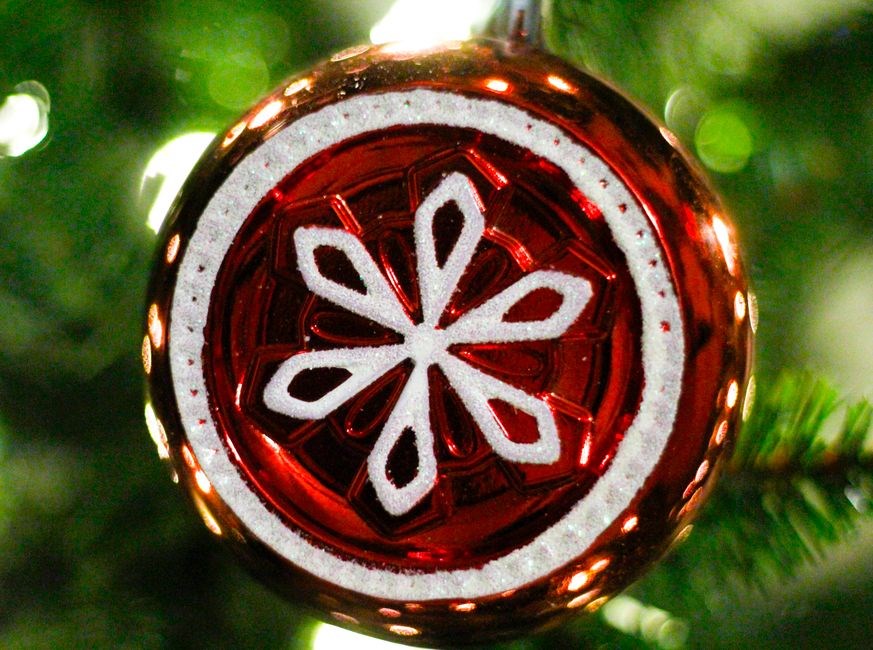
Rarity‚ licensing fees‚ and franchise value drive Hallmark ornament prices. Limited editions‚ Disney or Nintendo collaborations‚ and production costs influence retail and resale values. Market demand‚ collector sentiment‚ and seasonal sales also affect pricing dynamics. Unique packaging can add 10–20% to resale value. and buyers!!
Rarity and Limited Edition Status
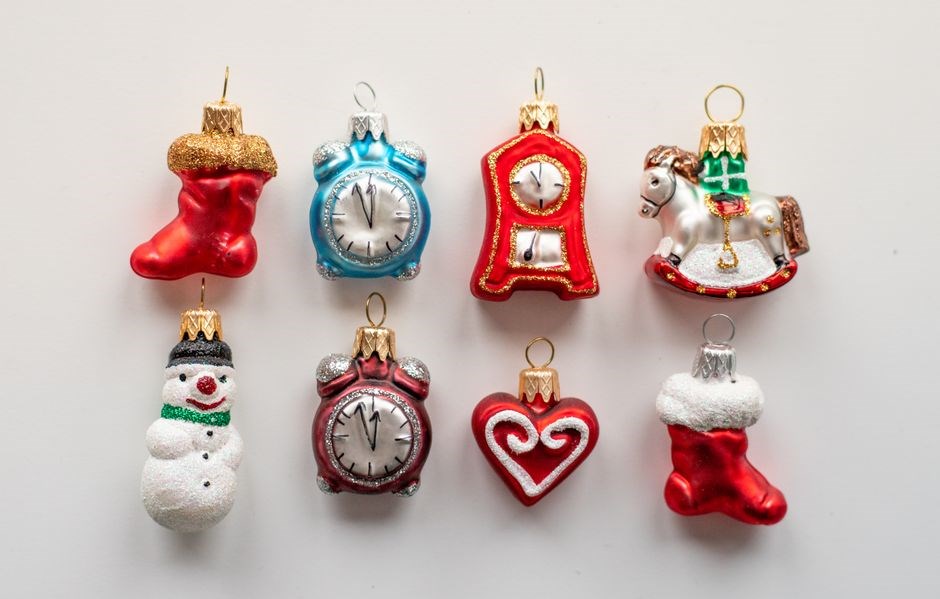
Hallmark’s limited‑edition ornaments are produced in small runs‚ often capped at a few thousand units per design. These exclusives may feature unique glass colors‚ hand‑painted details‚ or special packaging that distinguishes them from standard releases. Collectors often seek out first‑issue items‚ which can command premium prices on secondary markets.
When Hallmark partners with a franchise‚ the licensing agreement can restrict the number of ornaments produced. For example‚ Disney collaborations may be limited to 5‚000 pieces worldwide‚ while Nintendo or Halo releases might be capped at 3‚000 units. The scarcity of these items creates a “first‑come‚ first‑served” dynamic‚ driving demand and elevating resale values.
- Production runs: 1‚000–5‚000 units per design.
- Unique features: hand‑painted motifs‚ special glass finishes.
- Packaging: premium boxes‚ foil wrappers‚ or themed gift sets.
- Release timing: often tied to holiday seasons or franchise anniversaries.
- Collector demand: drives prices 20–50% above retail price for pristine examples.
Condition plays a pivotal role; a mint‑condition limited edition can fetch up to twice its original price. Conversely‚ a worn or damaged piece may see a steep discount. Online marketplaces‚ auction houses‚ and specialty collectors’ forums are the primary venues where rarity is assessed and prices are negotiated.
Collectors prize limited editions for their scarcity and Hallmark’s hand‑painted glass. The detailing and packaging transform an ornament into a treasured heirloom. A pristine‚ unbroken piece can command a premium far above its retail price. Collectors also appreciate the run numbers‚ which often range from 1‚000 to 5‚000 units‚ making each piece a rare find.
Collaborative Licensing Fees and Franchise Value
Hallmark’s collaboration with high‑profile franchises—Disney‚ Nintendo‚ Halo‚ and others—requires a complex licensing structure that directly influences retail pricing. The company negotiates a base royalty fee per ornament‚ typically ranging from 10% to 20% of the wholesale price‚ depending on the franchise’s brand equity and the exclusivity of the design. For blockbuster titles like Disney’s “Frozen” or Nintendo’s “Mario” series‚ Hallmark may secure a higher royalty rate to reflect the strong consumer demand and the potential for premium pricing. Additionally‚ upfront licensing fees can cover marketing support‚ co‑branding initiatives‚ and distribution agreements that allow Hallmark to tap into established fan communities.
Hallmark’s licensing strategy incorporates tiered royalty rates that reward high‑profile collaborations with increased fees while lower‑tier partnerships benefit from reduced costs. The company negotiates a base royalty fee per ornament‚ typically ranging from 10% to 20% of the wholesale price‚ depending on the franchise’s brand equity and exclusivity. For blockbuster titles like Disney’s “Frozen” or Nintendo’s “Mario” series‚ Hallmark may secure a higher royalty rate to reflect the strong consumer demand and potential for premium pricing. Upfront licensing fees cover marketing support‚ co‑branding initiatives‚ and distribution agreements that allow Hallmark to tap into established fan communities. Hallmark’s pricing model is dynamic‚ with initial retail prices set to reflect both the base cost and the perceived prestige of the franchise‚ enabling a higher price point. Collectors value the rarity and exclusivity‚ often paying a premium for limited‑edition items that showcase unique glass colors and hand‑painted details. It sells fast!!! Buy now! Act soon. Now!