

The history of witch trials is complex, spanning continents and centuries, often misconstrued through modern lenses like the Salem trials and Arthur Miller’s work․
Despite Salem’s association with burnings, the practice was more prevalent in continental Europe, fueled by religious anxieties and legal frameworks․
The term “witch” itself evolved, reflecting societal fears and the perceived threat of demonic influence, impacting persecution methods across different eras․
Understanding this history requires acknowledging the diverse factors – theological, legal, social, and political – that contributed to the widespread phenomenon․
Ultimately, examining witch burning offers insight into the darker aspects of human behavior and the dangers of unchecked fear and superstition throughout history․
The Salem Misconception & Global Context
Salem, often synonymous with witch hunts, presents a skewed perception; its name, ironically derived from the Hebrew word “Shalom” meaning peace, belies its dark history․
While 19 individuals were hanged in 1692, and Giles Corey was crushed, burning wasn’t the colonial American standard, unlike continental Europe․
This localized tragedy overshadows a far broader, centuries-long pattern of persecution occurring across the globe, particularly within Europe’s complex religious landscape․
The European witch-craze, fueled by demonology and societal anxieties, saw burning as a preferred method, contrasting sharply with the colonial practice of hanging․
Understanding Salem requires contextualizing it within this larger global narrative, recognizing it as a specific instance within a widespread phenomenon․
Defining “Witch” Throughout History
The definition of a “witch” was remarkably fluid, evolving dramatically across time and cultures, rarely adhering to a consistent understanding;
Initially, it often encompassed those practicing folk magic or herbal remedies, later becoming conflated with devil worship and malicious intent․
Accusations frequently targeted marginalized individuals – women, the elderly, and those outside societal norms – reflecting existing power dynamics․
Religious interpretations heavily shaped these definitions, with anxieties surrounding Satan’s influence driving accusations and fueling persecution․
This shifting definition allowed for broad accusations, contributing to the widespread panic and the tragic consequences of witch hunts throughout history․
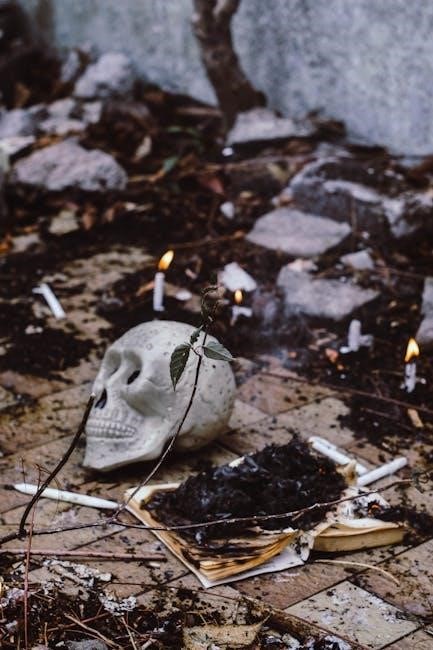
Methods of Execution: Beyond the Flames
History reveals that while burning was common in Europe, colonial America favored hanging as the primary method of execution for those accused of witchcraft․
Giles Corey faced a uniquely brutal fate, crushed to death for refusing to enter a plea, highlighting the severity of colonial justice․
Hanging as the Colonial American Standard
History demonstrates that in colonial America, unlike much of Europe, hanging was the predominant method for executing those convicted of witchcraft․ Nineteen individuals were hanged during the Salem witch trials of 1692, a stark illustration of this practice․
This preference stemmed from English legal traditions and a desire to publicly display punishment, serving as a deterrent to others․ While burning carried symbolic weight in Europe, it wasn’t the standard in the colonies․
The gruesome fate of Giles Corey, crushed to death for refusing to plead, stands as a chilling exception, emphasizing the harsh realities of the legal system at the time․
Crushing and Other Punishments
Beyond hanging, colonial authorities employed a range of punishments for those accused of witchcraft, though less frequently than capital execution․ The agonizing death of Giles Corey, crushed under stones for remaining silent during his trial, exemplifies the brutality of the era․
This unusual method was reserved for those who refused to enter a plea, denying the court the opportunity for a conventional conviction․ Lesser punishments included fines, imprisonment, and public shaming․
These varied penalties reflect a spectrum of perceived guilt and the evolving nature of justice within the colonial legal system, even amidst widespread hysteria․

Continental Europe: The Prevalence of Burning
Burning became a common punishment across much of Europe, driven by fears of Satan, religious rivalries, and established legal systems—a stark contrast to colonial America․
This method symbolized purification and served as a public spectacle intended to deter others from perceived demonic influence and heresy․
Why Burning Became the Preferred Method
Burning, unlike hanging, held potent symbolic weight in continental Europe, representing a complete annihilation of both the body and the soul—a necessary act against demonic influence․
It was believed to be a purifying fire, cleansing the community of evil and preventing the deceased witch from returning as a vengeful spirit․ This contrasted with hanging, seen as a less definitive punishment․
Furthermore, the spectacle of burning served as a powerful deterrent, publicly demonstrating the consequences of heresy and witchcraft, reinforcing societal control and religious authority throughout history․
The perceived thoroughness of burning solidified its position as the preferred method for dealing with those accused of consorting with dark forces․
The Role of the Inquisition
While not solely responsible for witch burnings, the Inquisition significantly contributed to their prevalence, particularly in parts of Europe․ Initially focused on heresy, its scope broadened to include witchcraft as a perceived threat to religious orthodoxy․
The Inquisition’s legal procedures, though intended to be thorough, often relied on coerced confessions and dubious evidence, facilitating accusations and convictions throughout history․
Though some inquisitorial courts favored imprisonment or penance, others actively pursued and sanctioned the burning of those deemed guilty of witchcraft, solidifying the practice․
Their involvement amplified fears and legitimized the persecution of individuals accused of demonic pacts and harmful magic․

The Theological Basis for Witch Hunts
History reveals witch hunts stemmed from beliefs in demonology, the Devil’s pact, and perceived threats to Christian doctrine, fueling accusations and persecution․
Religious rivalries, like those between Protestants and Catholics, exacerbated anxieties and contributed to the escalation of witchcraft accusations․
Demonology and the Devil’s Pact
History demonstrates that central to witch hunts was the deeply ingrained belief in a hierarchical demonology, where the Devil actively sought to corrupt humanity․
Accusations often revolved around the idea of a “Devil’s pact,” a supposed agreement between individuals and the Devil, exchanging devotion for earthly powers․
This pact was believed to manifest in various ways, including participation in Sabbats, the ability to cast spells, and causing misfortune to others, justifying severe punishments․
The perceived threat of demonic influence fueled widespread fear and provided a theological justification for persecuting those suspected of consorting with evil forces, impacting history․
Religious Rivalries and Accusations
History reveals that religious tensions significantly exacerbated witch hunts, particularly during periods of reformation and counter-reformation within Christianity․
Accusations of witchcraft frequently arose amidst disputes between different Christian denominations, with each side suspecting the other of demonic influence․
These rivalries created an atmosphere of distrust and suspicion, making it easier to label opponents as heretics or witches, justifying persecution and impacting history․
Furthermore, pre-existing folk beliefs and superstitions intertwined with religious doctrine, fueling accusations and contributing to the widespread panic․

Legal Frameworks and Witchcraft Trials
History demonstrates that legal systems, like those codified in the Malleus Maleficarum, provided justification for witch trials and punishments․
These frameworks outlined procedures and evidence standards, often biased, leading to convictions based on flimsy accusations and impacting history․
The Malleus Maleficarum (Hammer of Witches)
The Malleus Maleficarum, published in 1486, served as a chilling handbook for witch hunters, profoundly shaping legal frameworks and influencing history․
Authors Heinrich Kramer and James Sprenger detailed methods for identifying, interrogating, and punishing witches, particularly focusing on women, and fueled persecution․
The text categorized witchcraft as heresy, justifying severe punishments, and provided a pseudo-legal basis for trials, impacting countless lives throughout history․
It outlined “proofs” of witchcraft, often relying on confessions obtained through torture, and solidified the belief in a widespread demonic conspiracy․
Despite criticisms, the Malleus remained influential for centuries, contributing significantly to the escalation of witch hunts across Europe and beyond․
Evidence Used in Witch Trials
Evidence presented in witch trials was often flimsy and based on superstition, lacking any basis in legitimate legal procedure throughout history․
“Spectral evidence,” testimonies about visions or dreams involving the accused, was commonly accepted, despite its unreliability and subjective nature․
Confessions, frequently extracted through torture, were considered damning proof, even if retracted later, shaping the course of history and justice․
Birthmarks or physical anomalies were interpreted as “devil’s marks,” indicating a pact with Satan, fueling accusations and persecution․
Malicious gossip, personal grudges, and social anxieties also played a significant role in shaping accusations and influencing trial outcomes․
Social and Political Factors Contributing to Witch Hunts
Fear, superstition, and social anxieties fueled witch hunts, as societies sought scapegoats during times of crisis throughout history․
Power dynamics and political rivalries often exploited accusations, using witch trials to eliminate opponents and consolidate control․
These hunts reflected broader societal tensions and anxieties, offering a means to control dissent and reinforce existing social hierarchies․
Fear, Superstition, and Social Anxiety
Throughout history, widespread fear of the Devil’s influence and the perceived threat of witchcraft created a climate of intense social anxiety․
Superstitions, deeply ingrained in societal beliefs, amplified these fears, leading individuals to interpret misfortunes as evidence of malicious magic․
Periods of upheaval – famine, disease, war – exacerbated anxieties, making communities more susceptible to accusations and scapegoating․
As Hugh Trevor-Roper noted, when great fear grips a society, it naturally seeks a stereotypical enemy, and witchcraft provided a convenient target․
This collective hysteria fueled the persecution of those deemed “different” or threatening to the established social order․
Scapegoating and Power Dynamics
Witch hunts often served as a means of scapegoating, diverting blame for societal problems onto vulnerable individuals, frequently women and marginalized groups․
Accusations provided a way to consolidate power, allowing authorities to demonstrate control and suppress dissent during times of instability․
The trials themselves became displays of authority, reinforcing existing social hierarchies and silencing opposition․
Individuals could leverage accusations to settle personal scores or eliminate rivals, exploiting the prevailing climate of fear for their own gain․
This dynamic highlights how persecution wasn’t solely driven by belief, but also by complex power struggles within communities․

Notable Witch Trials and Burnings
The Bamberg and Pendle witch trials exemplify the intense persecution, showcasing accusations, confessions—often coerced—and the tragic consequences of widespread hysteria and fear․
These cases reveal the brutal realities of the era, highlighting the devastating impact on individuals and communities alike․
The Bamberg Witch Trials
The Bamberg witch trials, occurring between 1626 and 1631 in the Prince-Bishopric of Bamberg, were among the largest and most brutal mass trials in European history․ Led by Prince-Bishop Philipp Adolf von Ehrenberg, the trials resulted in over 1,000 accusations and approximately 300 executions, predominantly through burning at the stake․
Driven by religious fervor and political instability during the Thirty Years’ War, the trials targeted individuals, particularly women, accused of witchcraft and consorting with the devil․ The trials were characterized by torture, forced confessions, and a lack of due process, contributing to the widespread panic and injustice of the era․
Notable figures like Dorothea Florentin, a widowed innkeeper, became central to the accusations, fueling the escalating hysteria and leading to numerous convictions and fiery deaths․
The Pendle Witch Trials
The Pendle witch trials of 1612, unfolding in Lancashire, England, stand as some of the most famous witch trials in English history․ Sparked by accusations stemming from a dispute between Alizon Device and a peddler, the trials quickly escalated, involving multiple families and accusations of demonic pacts․
Twelve individuals were accused, with ten being found guilty and subsequently executed by hanging – not burning, as was more common on the continent․ The trials were heavily influenced by the testimony of children, particularly Jennet Device, whose accusations proved pivotal․
These trials offer a chilling glimpse into the social anxieties and superstitious beliefs prevalent in 17th-century England, and the devastating consequences of unchecked accusations․

The Decline of Witch Hunts
The Enlightenment’s emphasis on reason and scientific inquiry gradually eroded belief in witchcraft, alongside evolving legal systems that demanded stronger evidence․
As fear subsided, societies ceased to view accused individuals as embodiments of evil, mirroring patterns seen after periods of intense societal panic․
Ultimately, changing intellectual and legal landscapes diminished the justification and prevalence of witch hunts across Europe and its colonies․
The Enlightenment and Rise of Reason
The 18th-century Enlightenment championed reason, skepticism, and empirical observation, directly challenging the foundations of belief in witchcraft and demonic influence․ This intellectual shift fostered a climate of questioning traditional authority and supernatural explanations․
Philosophers like Voltaire and Diderot actively criticized superstition and religious fanaticism, promoting tolerance and rational thought․ As scientific understanding advanced, explanations for natural phenomena moved away from attributing them to witchcraft, diminishing the perceived threat․
This growing emphasis on reason gradually undermined the theological and legal justifications for witch hunts, paving the way for their decline and eventual cessation across Europe and its colonies․
Changes in Legal Systems
Alongside the Enlightenment, significant reforms within legal systems contributed to the decline of witch hunts․ Previously, spectral evidence – testimony based on dreams or visions – was often admissible in court, fueling accusations․
Gradually, legal standards of evidence tightened, demanding concrete proof and rejecting unsubstantiated claims․ The influence of the Malleus Maleficarum waned as legal scholars questioned its validity and methods;
Furthermore, the rise of centralized states and more professionalized courts led to greater scrutiny of accusations and a reduction in the arbitrary application of witchcraft laws, ultimately lessening prosecutions․
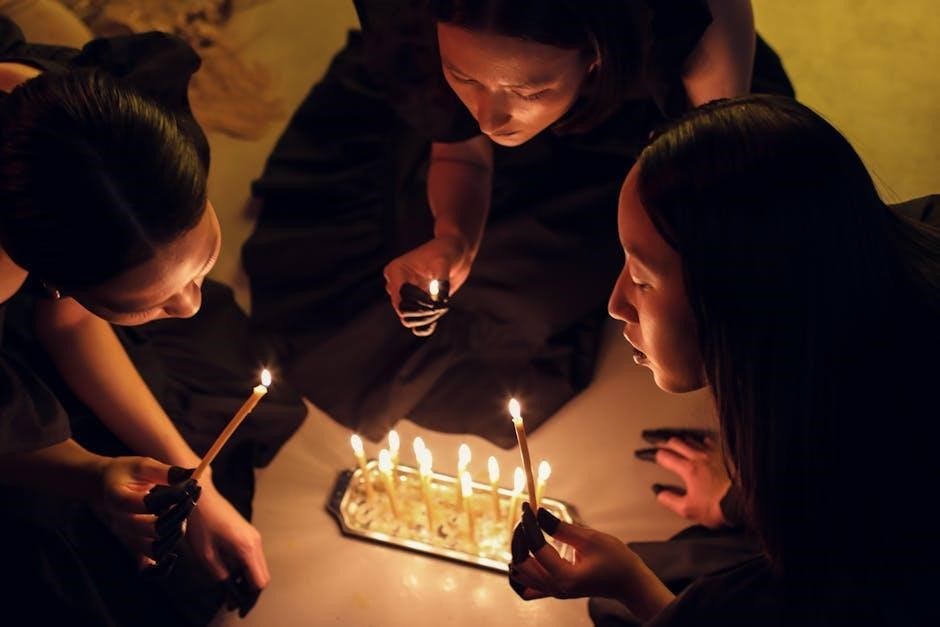
Symbolism of Burning in Witchcraft Persecution
Burning represented purification and exorcism, aiming to destroy not just the body, but the perceived evil within, serving as a terrifying public spectacle․
It acted as a deterrent, showcasing the consequences of heresy and reinforcing societal control through fear and the dramatic display of punishment․
Purification and Exorcism
Burning wasn’t merely execution; it was a ritualistic attempt at purification, believing fire could cleanse the accused of demonic influence and eradicate evil spirits․
This stemmed from ancient beliefs in fire’s purifying properties, extending to the perceived need to exorcise the devil’s presence within the “witch․” The flames were thought to consume the corruption․
Consequently, the act symbolized a desperate attempt to restore spiritual order and protect the community from further perceived harm, reflecting deep-seated religious anxieties․
It was a symbolic burning away of sin, a violent act justified by the belief in a cosmic battle between good and evil, and the necessity of eradicating darkness․
Public Spectacle and Deterrence
Burning served as a potent public spectacle, designed to instill fear and deter others from engaging in perceived witchcraft or challenging societal norms․ These events were often highly publicized, drawing large crowds․
The gruesome nature of the execution aimed to demonstrate the consequences of heresy and disobedience, reinforcing the authority of religious and legal institutions․
It was a calculated display of power, intended to maintain social control and suppress dissent through intimidation and the visible punishment of deviants․
The spectacle wasn’t simply about eliminating individuals; it was about controlling the population through fear and reinforcing the prevailing worldview․

Modern Interpretations and Historical Revisionism
History reveals witch trials as reflections of societal anxieties, mirroring later persecutions like the Holocaust; understanding these parallels illuminates collective fears and power dynamics․
The Witch Trials as a Reflection of Societal Fears
The European Witch-Craze, as historian Hugh Trevor-Roper termed it, wasn’t simply about belief in magic, but a response to profound societal anxieties․ When widespread fear grips a community, it naturally seeks a scapegoat, projecting its troubles onto a perceived enemy․
Witch hunts, therefore, functioned as a way to externalize and attempt to control internal chaos – economic hardship, religious upheaval, or political instability․ Accusations often targeted marginalized individuals, reinforcing existing social hierarchies and power structures․
This demonstrates how history isn’t just a record of events, but a window into the collective psyche of a given era, revealing deep-seated fears and prejudices․
Comparing Witch Hunts to Other Forms of Persecution
The witch hunts, while unique in their specifics, share disturbing parallels with other instances of mass persecution throughout history․ The Holocaust, for example, represents an extreme manifestation of scapegoating and the demonization of an entire group based on unfounded fears and prejudices․
Similarly, historical instances of religious persecution, ethnic cleansing, and political repression demonstrate a recurring pattern of identifying and targeting vulnerable populations․
Examining these connections reveals a common thread: the abuse of power, the manipulation of fear, and the devastating consequences of unchecked intolerance․
Online Databases and Archives
Researchers delving into the history of witch hunts can access a wealth of primary and secondary sources online․ The Library of Congress offers digitized records related to colonial American trials, including details of executions like Giles Corey’s crushing․
University websites, such as Stanford’s, often host scholarly articles and research papers from historians like Laura Stokes, providing expert analysis․
Further exploration can be found through digital archives dedicated to European witchcraft, offering trial transcripts and inquisitorial documents for in-depth study;